
Lemon Coconut Cake with Lemon Icing

A lemon coconut cake is a classic Australian butter cake with desiccated coconut folded through the batter and lemon zest beaten into the butter. The coconut keeps the crumb moist and gives it a gentle chew, and the lemon keeps it fresh rather than sweet. A thin layer of glossy lemon icing and a scattering of toasted coconut finish it off. It is the kind of cake that suits a lunchbox, a morning tea or a birthday equally well.
This recipe makes one 20 cm round cake that cuts into 10 to 12 slices. Allow 20 minutes to mix, about 55 minutes in the oven and an hour or so for cooling before icing.
What makes a good lemon coconut cake?
The base is a creamed butter cake. Butter, sugar and lemon zest are beaten together until pale and fluffy, which traps air and spreads the lemon oil from the zest right through the fat. Eggs go in one at a time, then the coconut, and finally self-raising flour and milk are mixed in alternately so the batter stays smooth.
Desiccated coconut does two jobs. It adds flavour, and it soaks up some of the milk, releasing it slowly during baking so the cake stays moist for days. Because it absorbs liquid, the flour is reduced slightly compared with a plain butter cake.
The icing is a simple warm lemon icing: icing sugar, a little butter and lemon juice, stirred briefly over hot water until it turns smooth and glossy. It sets with a thin, soft crust. For a lemon and coconut bake in bar form, see our lemon and coconut slice.

Ingredients
Serves 10 to 12. Cup and spoon measures are Australian: a 250 ml cup, a 20 ml tablespoon and a 5 ml teaspoon.
Cake
- 185 g unsalted butter, softened
- 220 g (1 cup) caster sugar
- 2 tablespoons finely grated lemon zest, from 2 lemons
- 3 eggs, at room temperature
- 80 g (1 cup) desiccated coconut
- 225 g (1 1/2 cups) self-raising flour
- 185 ml (3/4 cup) milk
Lemon icing and topping
- 15 g (1/4 cup) shredded coconut
- 240 g (1 1/2 cups) icing sugar, sifted
- 10 g unsalted butter, softened
- 2 to 3 tablespoons lemon juice
Ingredient notes and swaps
- Butter: it should be soft enough to dent easily with a finger but not greasy or melting. Leave it out for about an hour on a mild day.
- Eggs: room-temperature eggs blend into the butter without curdling. Take them out of the fridge about 30 minutes before you start. If one cracks in the carton, the Food Safety Information Council suggests discarding it or saving it for a thoroughly cooked dish such as a cake, so a baked cake like this one is a sensible place for it.
- Coconut: desiccated coconut is fine and dry and blends into the crumb. Shredded coconut is longer and chewier, which is why it goes on top.
- Milk: full cream milk works well. For a stronger coconut flavour, use 185 ml of well-shaken coconut milk instead.
- Flour: if you only have plain flour, use 225 g plain flour with 3 teaspoons of baking powder, sifted together twice. A gluten-free self-raising blend works by weight, though the cake will be slightly more crumbly.
- Lemon juice: the two zested lemons give more than enough juice for the icing. Zest them first, then squeeze them on a manual citrus juicer and strain out the pips.
- Citrus: lime zest and juice make a sharper cake, and orange gives a softer, sweeter one. Zest with a fine rasp from our peeling, grating and slicing tools so the bitter white pith stays on the fruit.
Method
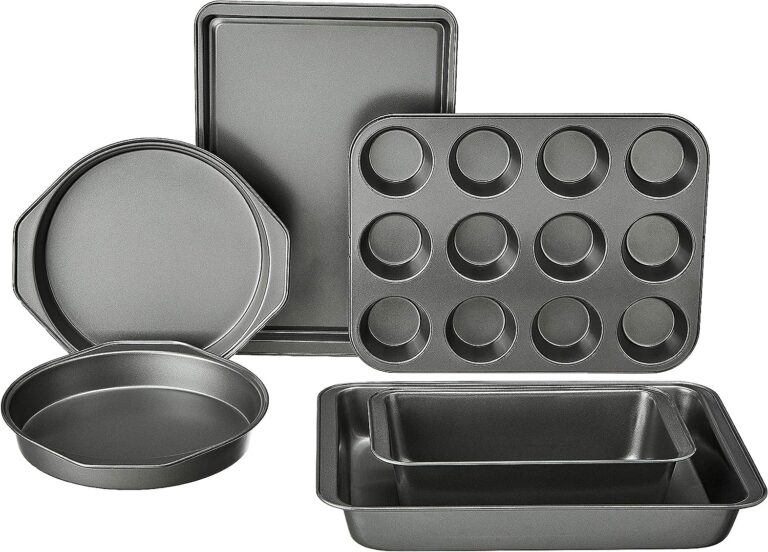
You will need a 20 cm round cake tin at least 6 cm deep. Sturdy, light-coloured tins from our range of bakeware tins and trays bake evenly without darkening the sides. A stand mixer or hand mixer makes the creaming step easy; see our blenders, mixers and food processors.
- Heat the oven to 180C (160C fan-forced). Grease a 20 cm round cake tin and line the base and side with baking paper.
- Beat the butter, caster sugar and lemon zest with an electric mixer on medium-high speed for 4 to 5 minutes, scraping down the bowl once or twice, until the mixture is very pale and fluffy.
- Add the eggs one at a time, beating for about 30 seconds after each. If the mixture starts to look curdled after the last egg, beat in a tablespoon of the measured flour to bring it back together.
- On low speed, mix in the desiccated coconut.
- Add half the remaining flour and half the milk and mix on low speed, or fold with a spatula, until just combined. Repeat with the rest of the flour and milk. Stop as soon as no dry flour shows.
- Spread the batter into the tin, smooth the top and make a shallow dip in the centre so the cake rises evenly.
- Bake for 50 to 60 minutes, until the cake is golden, the top springs back when pressed lightly and a skewer inserted in the centre comes out clean. If the top browns too quickly after 40 minutes, lay a sheet of foil loosely over it.
- Leave the cake in the tin for 10 minutes, then turn it out onto a wire rack, peel off the paper and turn it right side up. Cool completely, about 1 hour.
- Toast the shredded coconut in a dry frying pan over medium-low heat for 2 to 3 minutes, stirring, until lightly golden. Tip it onto a plate to cool.
- For the icing, put the icing sugar and butter in a heatproof bowl and stir in 2 tablespoons of lemon juice to make a stiff paste. Add more juice a teaspoon at a time until the icing is thick but spreadable. Set the bowl over a saucepan of barely simmering water and stir for about 30 seconds, until the icing is smooth and glossy.
- Spread the warm icing over the top of the cold cake, letting a little run down the sides. Scatter the toasted coconut over it straight away, before the icing sets. Leave for 20 minutes to set before slicing.

Storage, freezing and safe handling
Storing: keep the iced cake in an airtight container at room temperature for up to 4 days. In hot, humid weather, store it in the fridge and bring slices to room temperature before serving, as cold butter cake tastes dry. Lidded food storage containers also suit packed slices for lunchboxes.
Freezing: the cake freezes well without icing. Wrap the cooled cake, or individual slices, in baking paper and then foil, and freeze for up to 3 months. The Food Safety Information Council recommends keeping frozen food at -18C or below and defrosting it in the fridge or microwave rather than on the bench. Thaw the whole cake in the fridge overnight, then ice it.
The mixing bowl: raw cake batter made with egg is on Food Standards Australia New Zealand’s list of higher-risk foods for vulnerable people, and the same page advises buying clean, uncracked eggs and keeping them in the fridge. Save the tasting for the baked cake.
Common problems and fixes
| Problem | Likely cause | Fix |
|---|---|---|
| Sunken centre | Underbaked, or oven door opened early | Bake until a skewer comes out clean and keep the door shut for the first 40 minutes |
| Dense, heavy crumb | Butter and sugar not creamed long enough, or cold ingredients | Cream for the full 4 to 5 minutes and use room-temperature eggs |
| Curdled batter | Eggs cold or added too quickly | Add them one at a time; beat in a spoonful of flour |
| Dry cake | Overbaked or flour packed into the cup | Weigh the flour and check from 50 minutes |
| Peaked, cracked top | Oven too hot | Check the oven temperature with an oven thermometer |
| Icing slides off | Cake still warm or icing too thin | Ice a cold cake and stiffen the icing with more icing sugar |
Frequently Asked Questions
Can I make lemon coconut cake as cupcakes?
Yes. The batter fills 18 standard paper cases about two-thirds full. Bake them at 180C (160C fan-forced) for 20 to 22 minutes, until a skewer comes out clean, then ice them once cold.
Can I use a different tin?
A 22 cm round tin takes 45 to 50 minutes, and a 22 x 12 cm loaf tin takes 55 to 65 minutes. A 20 cm square tin bakes in about 45 minutes. Check with a skewer, as tins vary.
Can I use a lemon syrup instead of icing?
Yes. Simmer 60 ml lemon juice with 55 g (1/4 cup) caster sugar for 2 minutes, prick the hot cake all over with a skewer while it is still in the tin, and spoon the syrup over. It gives a sharper, stickier cake.
How do I keep the cake moist for longer?
Weigh the flour rather than scooping it, take the cake out as soon as the skewer comes out clean, and wrap or box it once it is completely cold. The coconut helps too, so resist cutting it back. A slice that has dried out a little is still good lightly toasted and buttered.
What else can I bake with lemons?
Our homemade lemon curd uses up spare juice and is lovely spread between two layers of this cake. For a warm dessert, try the lemon delicious puddings.
Chefs Toolbox editorial team
Gear to compare

Keep reading
 DessertsCoffee Chocolate FriandsCoffee Chocolate Friands. The base is studded with chocolate chunks and topped with crunchy toffee streusel. It's the taste and texture!
 DessertsRoyal IcingRoyal Icing. You can use it to decorate cakes for Christmas, weddings, gingerbread houses and cookies that are tasty
 DessertsChoc Caramel TartsChoc Caramel Tarts. Layers of chocolate & caramel ganache all with the bite of a crumbled tart will win all your guests hearts over!