
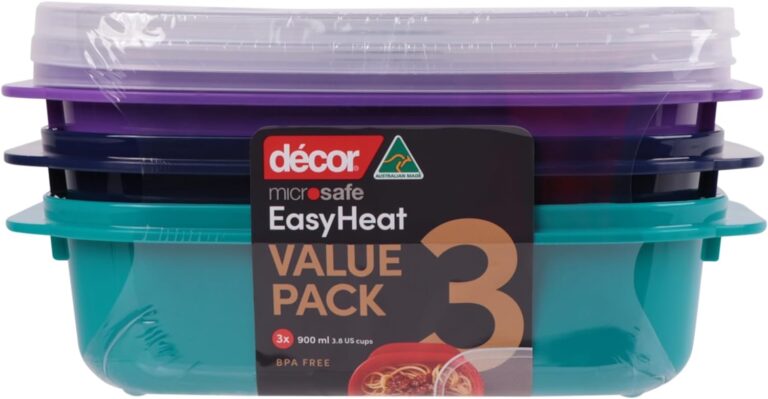
 Storage & FlasksDecor Microsafe Oblong Jewel Container 900ml, 3 PackSee details

Storage & Flasks
Glass Food Containers
What to check on glass food containers: lid seals, stacking shapes, oven use for bases, and what the maker allows in the dishwasher, microwave and freezer.
See prices on Amazon
Price and availability are shown on Amazon and can change. As an Amazon Associate we earn from qualifying purchases.
Glass food containers keep leftovers, packed lunches and prepped meals in see-through boxes that do not hold on to curry stains or smells. Tempered or borosilicate glass copes with reheating better than everyday drinking glass.
What to look for
- Lid seals: silicone gaskets and clips on four sides help keep liquids in.
- Shapes: rectangles pack tightly in the fridge; rounds suit soup.
- Nesting: sets that stack inside one another save cupboard room.
- Oven use: many bases can go in the oven, but lids generally cannot.
- Markings: volume lines help with portioning.
Who it suits
Meal preppers, office workers taking lunch to reheat at work, and anyone shifting leftovers out of old plastic tubs that have stained orange.
Before you buy
- Check the maker's dishwasher, microwave and freezer guidance for both bases and lids.
- Avoid sudden temperature swings, such as freezer straight to a hot oven.
- Allow for weight, since glass is heavier to carry each day than plastic.
You may also want
All Storage & FlasksStorage & FlasksDecor Microsafe Oblong Jewel Container 900ml, 3 PackSee details  Storage & FlasksThermos Stainless King 1.2L Vacuum Flask, Midnight BlueSee details
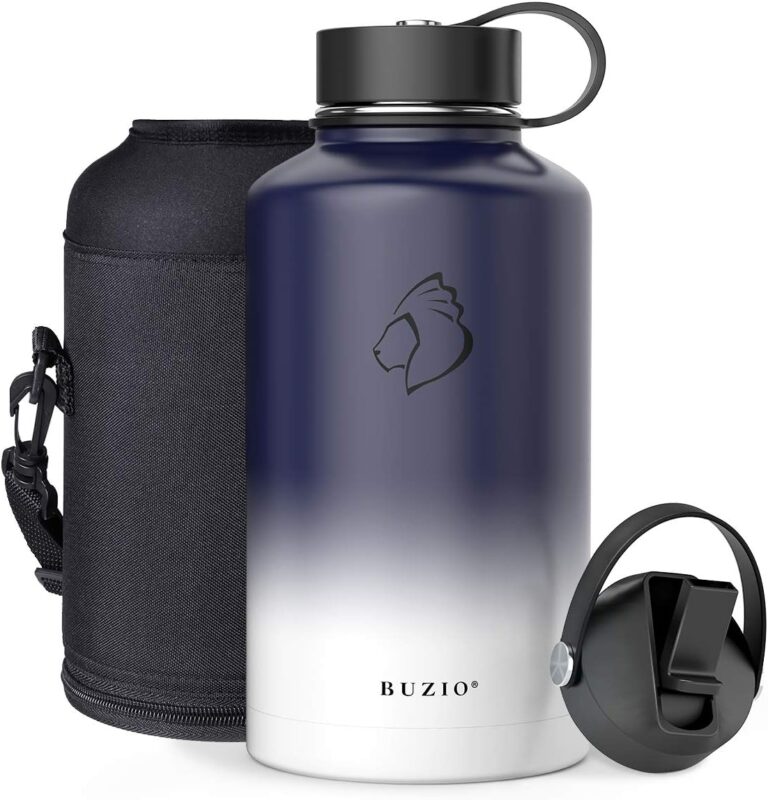 Storage & FlasksBUZIO 1.18L Insulated Water Bottle with Straw LidSee details
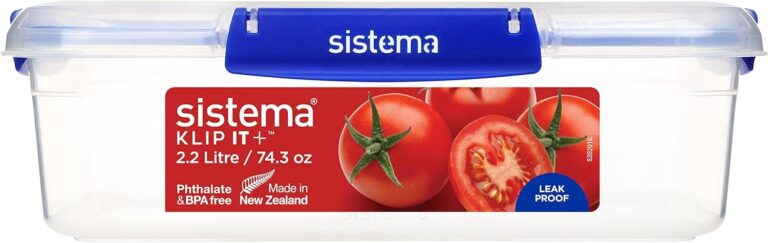 Storage & FlasksSistema KLIP IT PLUS 400ml Food ContainerSee details